TL;DR: Why is UPL SAAF highly recommended for Indian home gardens?
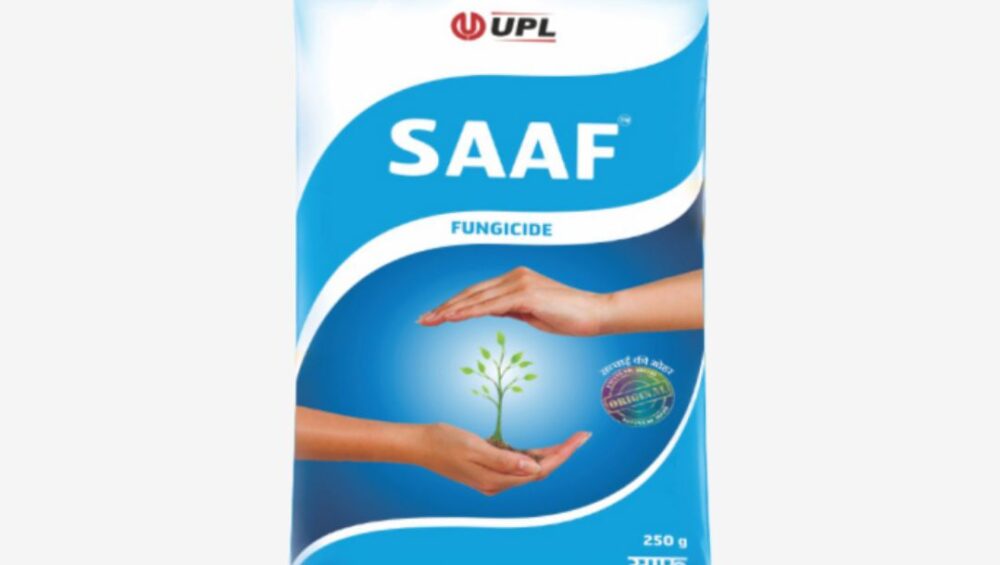
UPL SAAF (Carbendazim 12% + Mancozeb 63% WP) is a highly effective, dual-action agricultural fungicide that provides both systemic internal healing and contact surface protection. It is one of the most efficient treatments for eradicating Leaf Spot, Powdery Mildew, and early blights on roses, tulsi, bhindi, tomatoes, and chillies using a single, versatile product.
What makes UPL SAAF different from ordinary contact fungicides?
Most traditional agricultural fungicides operate in only one way: they are either strictly systemic or strictly contact-based. This technological limitation forces Indian gardeners to choose between two incomplete solutions:
- Systemic Fungicides: Move inside the plant’s vascular system to kill existing internal infections but offer weaker external protection against landing spores.
- Contact Fungicides: Coat the external leaf surface to prevent new spores from germinating but cannot reach or cure fungi that have already penetrated the vegetative tissue.
UPL SAAF successfully solves this problem by uniquely combining two proven active ingredients into a single wettable powder (WP):
- Carbendazim (12%): A highly effective systemic fungicide component that quickly enters the plant to halt existing fungal growth.
- Mancozeb (63%): A broad-spectrum contact fungicide component that forms a protective, weather-resistant chemical shield on the leaf’s surface.
Golden Rule of Dual-Action Fungicides: The synergistic “2-in-1” formulation of Carbendazim and Mancozeb makes UPL SAAF the preferred first-response treatment for concurrently preventing and curing severe fungal outbreaks in humid Indian climates.
Buy UPL SAAF (Carbendazim 12% + Mancozeb 63% WP)
Which specific garden plant diseases does UPL SAAF treat?
UPL SAAF is incredibly versatile and officially approved for a wide variety of horticultural and agricultural crops. In Indian home gardens and terrace setups, it is heavily relied upon to eradicate the following common fungal pathogens:
| Fungal Disease Type | Common Plant Symptoms | Primary Host Plants in India |
|---|---|---|
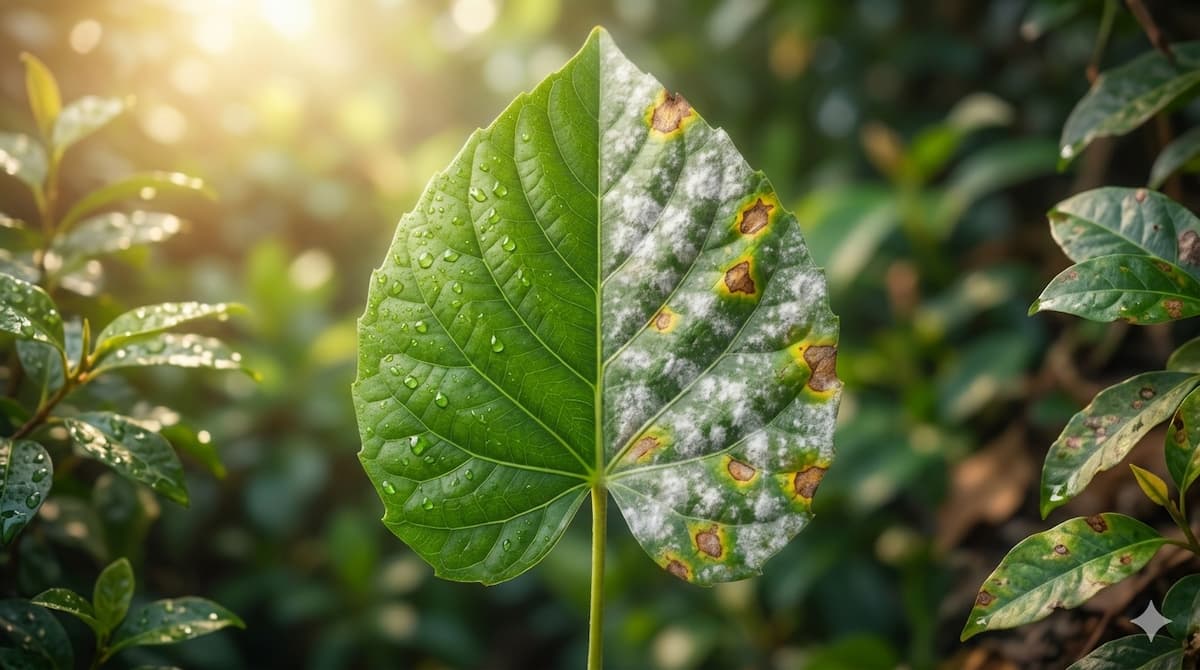
| Leaf Spot & Blight | Brown and black necrotizing spots with characteristic yellow halos | Tomatoes, chillies, brinjal, and tulsi |
| Powdery Mildew | Distinct powdery white fungal mycelium coating the upper leaves | Roses, hibiscus, bhindi, and gourds |
| Plant Rusts | Orange or rust-colored reproductive pustules forming on leaf undersides | Numerous flowering and ornamental species |
How do you calculate and mix the correct UPL SAAF dosage?
Precision is critical when mixing agricultural chemicals. For small-scale home gardeners, calculating the exact grams per litre ratio is essential to avoid chemical leaf burns (phytotoxicity) while ensuring the fungicide dose remains lethal to targeted pathogens.
Standard Mixing Guidelines:
- The scientifically recommended dosage is exactly 2 grams of UPL SAAF per 1 litre of clean water for most garden applications.
- If you are utilizing a standard 15-litre agricultural backpack sprayer, you will need exactly 30 grams of UPL SAAF powder.
- Preparation Step: Always mix the dry SAAF powder with a tiny amount of water first to create a smooth, lump-free paste. Once the paste is fully dissolved, top up your sprayer with the remaining volume of water.
How and when should you spray UPL SAAF for maximum effectiveness?
Applying the fungicide at the correct time of day and with the proper spraying technique ensures the maximum amount of active ingredient is absorbed by the plant foliage.
- Optimal Timing: Spray during the early morning hours before intense sunlight hits the leaves, or in the late afternoon/early evening when ambient temperatures have cooled down.
- Application Technique: Always commence spraying from the bottom of the plant and meticulously work your way up. Critically, ensure you thoroughly coat the undersides of the leaves, as this is where fungal spores predominantly attach and germinate.
- Treatment Frequency: For actively spreading fungal infections, repeat the spray application strictly every 10–12 days. During exceptionally humid, high-risk monsoon weather, maintain a preventive spray schedule every 10–15 days to break the fungal life cycle.
When should you switch from UPL SAAF to other treatments?
While UPL SAAF is a highly potent fungicide, specific agricultural diseases require entirely different targeted chemical interventions. UPL SAAF will not cure the following distinct issues:
- Bacterial Diseases: Conditions such as bacterial wilt or bacterial leaf spot cannot be cured by fungicides. You must utilize specialized agricultural bactericides/antibiotics like Aries Plantomycin to combat these bacterial pathogens.
- Severe Monsoon Wash-Off: During periods of continuous, heavy monsoon rainfall, systemic fungicides may physically wash away before being appropriately absorbed. In these extreme weather events, rotate your treatment with heavy-duty contact fungicides like Indofil M-45 to maintain a stronger physical surface barrier.
Buy ARIES AGRO LIMITED PLANTOMYCIN
Buy INDOFIL M 45 (MANCOZEB 75% WP)
Essential Fungicide Safety Protocols:
- Mandatory PPE: Always wear chemically resistant rubber gloves, a protective face mask, and closed-toe shoes when handling, mixing, and dispensing powdered fungicides.
- Wind direction: Never spray against the wind or during gusty conditions to rigorously avoid chemical inhalation and unintentional drift to non-target plants.
- Isolation: Keep children and household pets strictly isolated from the sprayed area until the plant foliage has 100% physically dried.
- Storage: Store the UPL SAAF packet tightly sealed in a cool, dry location completely out of reach of children and entirely separate from food supplies.
- Post-application hygiene: Thoroughly wash your hands, face, and any exposed skin with soap and clean water immediately after completing the spraying operation.